
 Arabic
 Power Bank

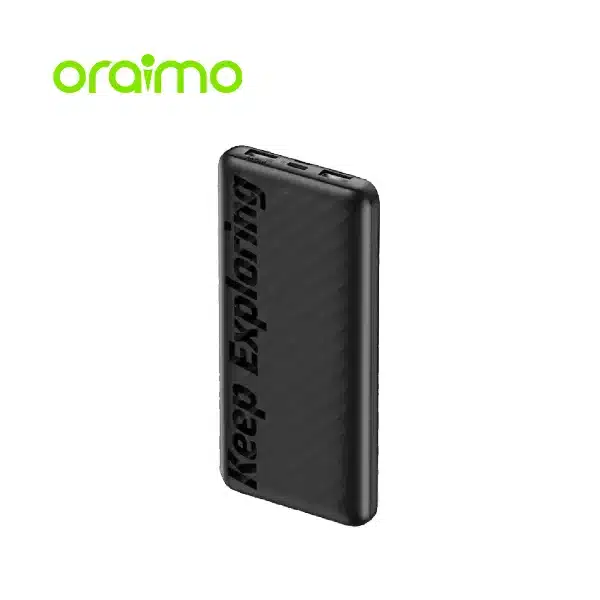
৳1,199.00 ৳1,500.00
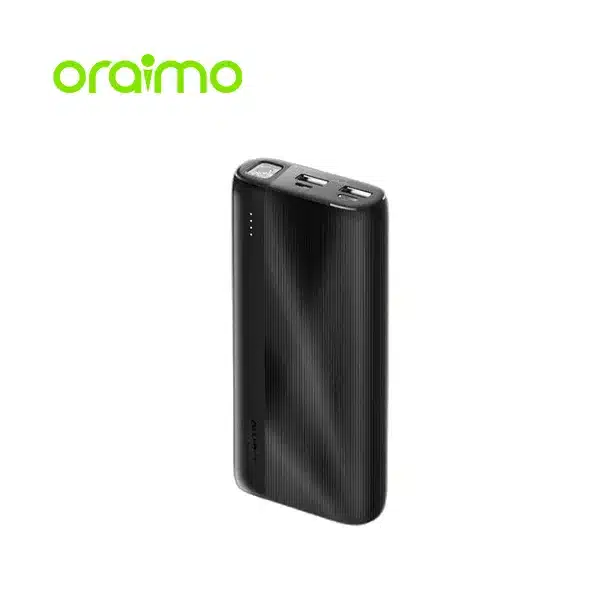
৳2,349.00 ৳2,600.00
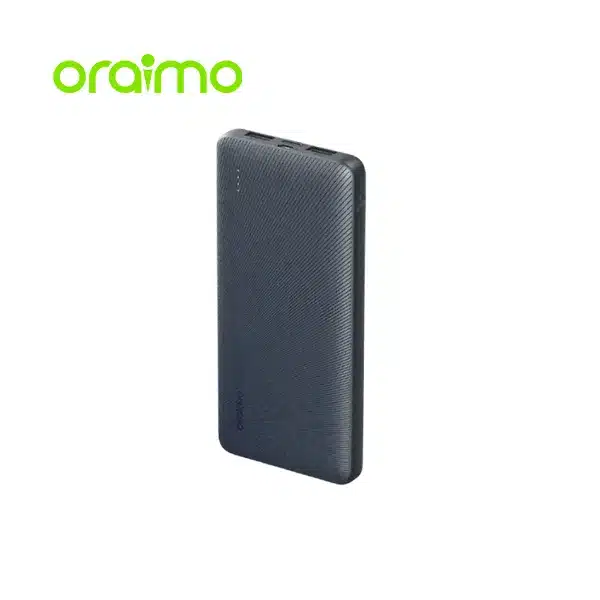
৳1,280.00 ৳1,500.00

৳1,830.00 ৳2,200.00

৳1,149.00 ৳1,400.00

৳1,599.00 ৳1,900.00

৳2,490.00 ৳2,800.00

৳2,099.00 ৳2,300.00

৳1,499.00 ৳1,800.00

৳3,299.00 ৳3,650.00
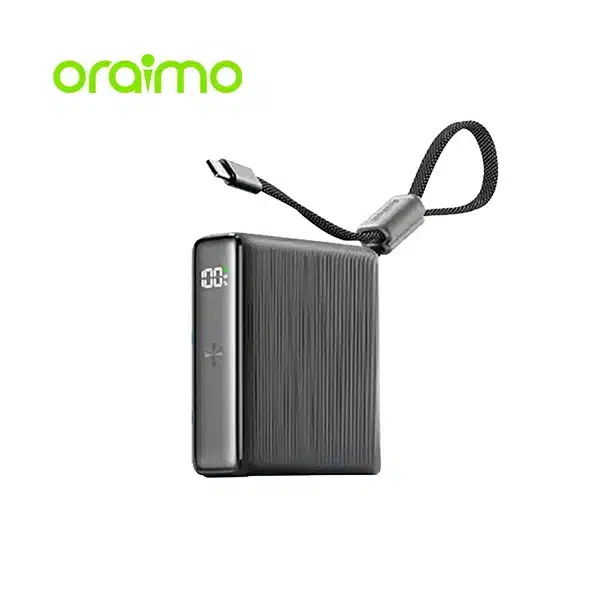
৳2,199.00 ৳2,400.00
৳2,550.00 ৳3,000.00

৳2,799.00 ৳3,500.00

৳2,899.00 ৳3,400.00


৳2,549.00 ৳3,000.00

৳2,099.00 ৳2,600.00

৳2,149.00 ৳2,500.00

৳1,999.00 ৳2,500.00
৳2,749.00 ৳3,200.00

৳5,299.00 ৳5,900.00

৳2,099.00 ৳2,500.00
৳1,099.00 ৳1,500.00

৳1,999.00 ৳2,500.00

৳1,999.00 ৳2,500.00

৳1,499.00 ৳1,900.00
৳1,699.00 ৳2,200.00

৳1,999.00 ৳2,550.00
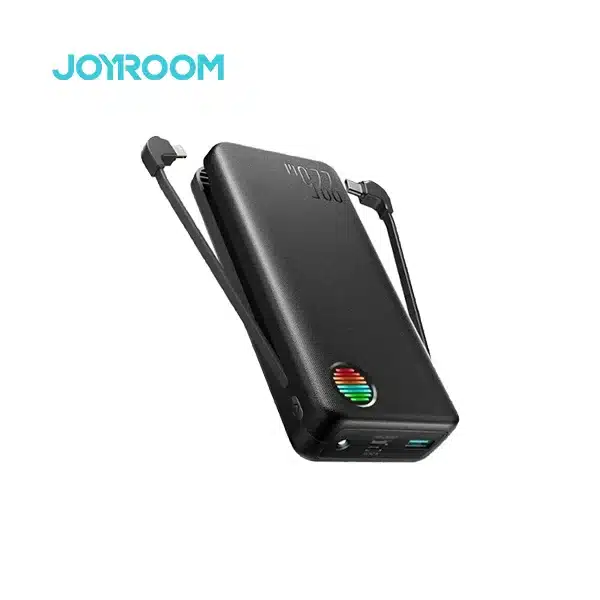
৳1,499.00 ৳1,900.00

৳1,699.00 ৳2,000.00
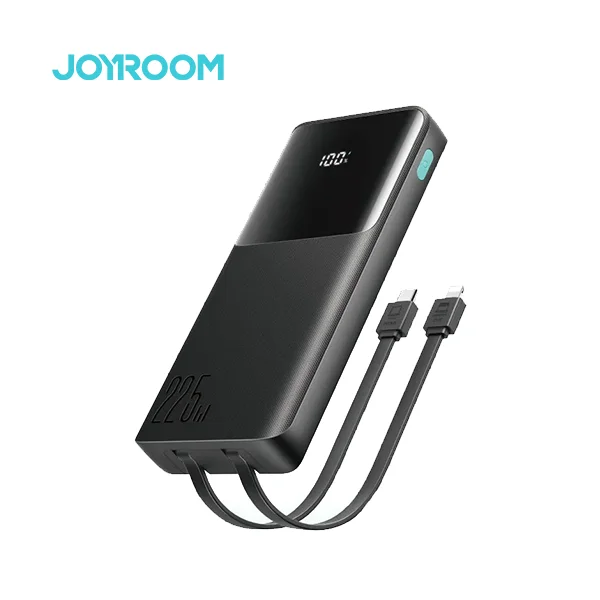
৳1,799.00 ৳2,200.00
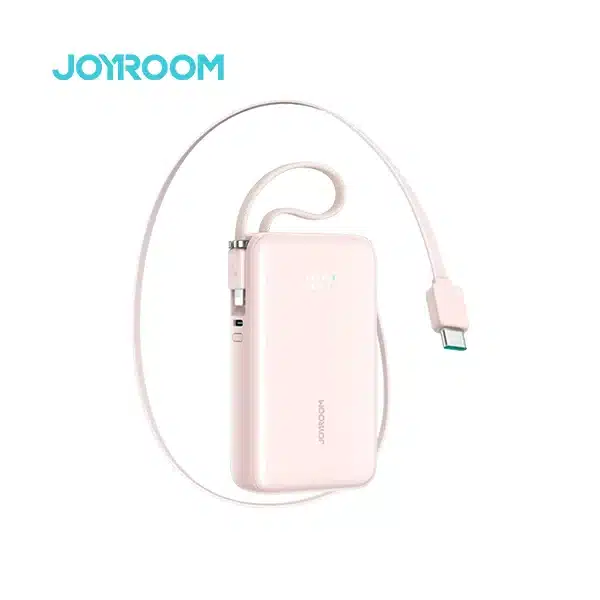
৳3,299.00 ৳4,000.00
৳3,199.00 ৳3,800.00
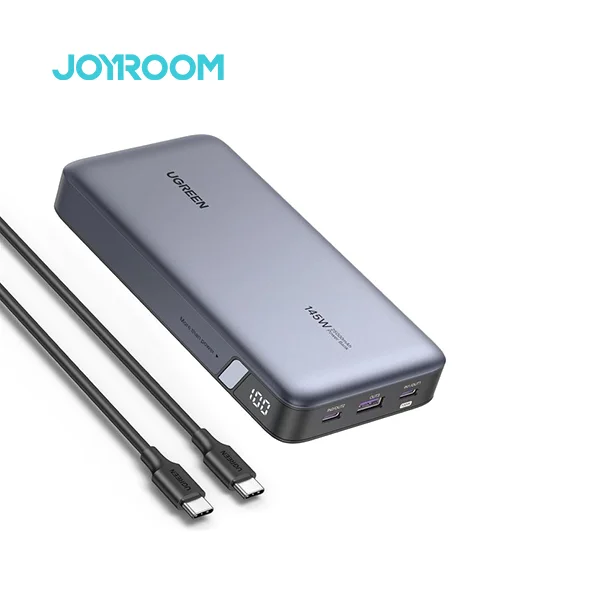
৳2,349.00 ৳2,800.00
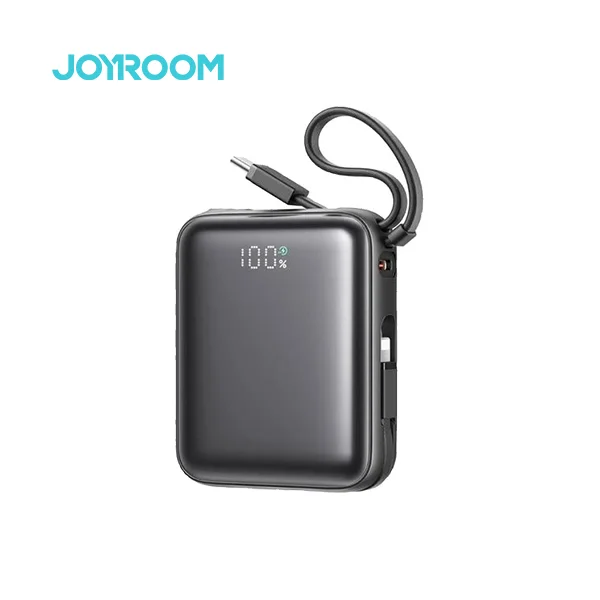
৳2,199.00 ৳2,800.00

৳1,799.00 ৳2,400.00

৳1,899.00 ৳2,500.00

৳2,249.00 ৳2,700.00

৳1,299.00 ৳1,700.00
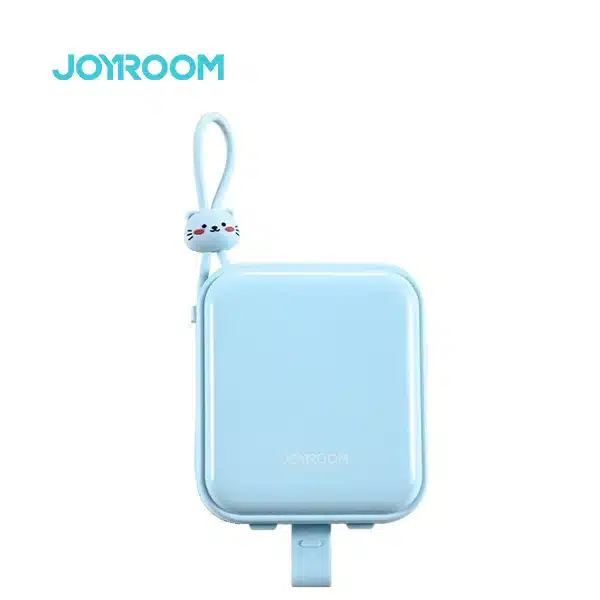
৳1,499.00 ৳2,200.00

৳1,349.00 ৳1,600.00
What Is the Latest Power Bank Price in Bangladesh?
A power bank is a portable rechargeable battery that stores electrical energy and supplies power to compatible devices when a wall charger is unavailable. It supports users during travel, load shedding, outdoor activities, office work, and daily commuting. The latest power bank prices in Bangladesh start at approximately ৳1,000 and reach ৳8,499 at Nur Telecom. Prices vary according to battery capacity, charging wattage, fast-charging protocol, port configuration, brand, and features such as built-in cables, wireless charging, digital displays, and LED lights.Latest Power Bank Price List in BD
Popular Power Bank Brands Available in BD
Several international accessory brands offer power banks in Bangladesh with different capacities, charging technologies, designs, and price ranges. At Nur Telecom, users can explore popular power bank brands such as Oraimo, Joyroom, Ldnio, and Hoco. These brands provide standard wired, fast-charging, magnetic wireless, built-in-cable and high-capacity power banks for different devices and charging requirements.Types of Power Banks Available in Bangladesh, and Which Type Is Best for Your Needs?
Power banks in Bangladesh differ by charging method, output wattage, battery capacity, port type, size, and built-in accessories. The right type depends on your device, charging speed requirements, preferred cable setup, and whether you need wired, magnetic, wireless, or laptop charging.Standard Wired Power Banks
A standard wired power bank charges a device through a physical cable. These models commonly include USB-A output, USB-C output or both. USB-A works with many traditional charging cables, while USB-C supports newer smartphones, tablets, and accessories.Standard wired models suit buyers who want:- Reliable everyday charging
- Lower purchase cost
- Broad device compatibility
- Multiple output ports
- Simple operation
Fast-Charging Power Banks
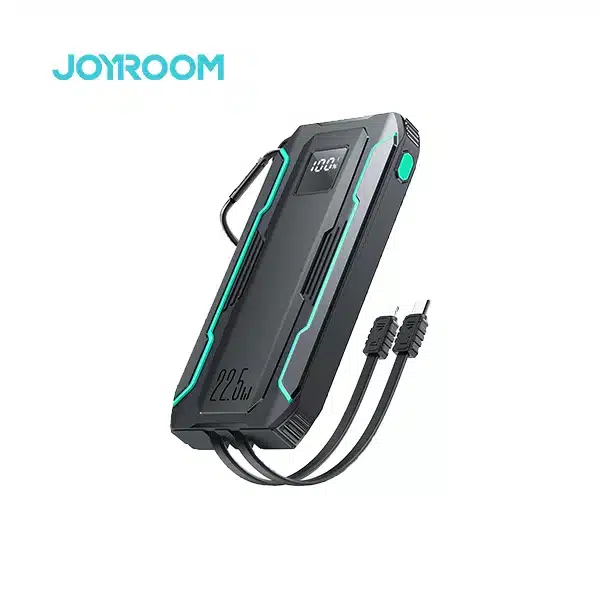
Fast-charging power banks deliver higher electrical output to compatible devices. Common outputs include 20W, 22.5W, 30W, 45W, 65W and higher. A 20W or 22.5W power bank is suitable for many modern smartphones. A 30W or 45W model supports faster charging for compatible phones, tablets, and selected compact devices. A 65W or higher model can charge supported USB-C laptops when the power bank, cable, and laptop use the same charging standard.Fast charging depends on four connected components:- Power bank
- Output port
- Charging cable
- Smartphone, tablet, or laptop
Magnetic and Wireless Power Banks
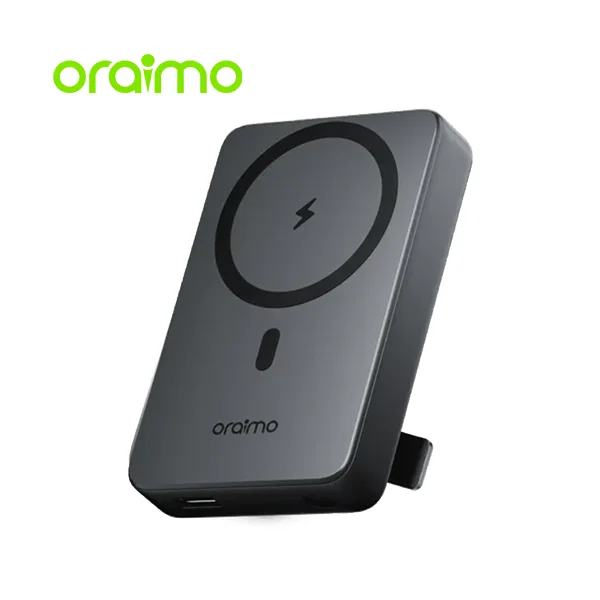
A magnetic power bank attaches to the back of a compatible smartphone using built-in magnets. This design keeps the charger aligned with the wireless charging coil, allowing users to charge without connecting a cable.Wireless power banks commonly use Qi wireless charging, an industry standard that transfers power through electromagnetic induction. Magnetic attachment and wireless charging are related features, but they are not identical. A product can support wireless charging without having a strong magnetic connection.Magnetic and wireless power banks are popular among compatible iPhone users because supported models align with MagSafe-style charging positions. Some Android phones also support Qi wireless charging, but magnetic attachment often requires a compatible case or magnetic ring.User should compare:- Wireless output wattage
- Magnetic holding strength
- Phone and case compatibility
- Charging-coil alignment
- Heat management
- Wired backup output
Power Banks With Built-In Cables
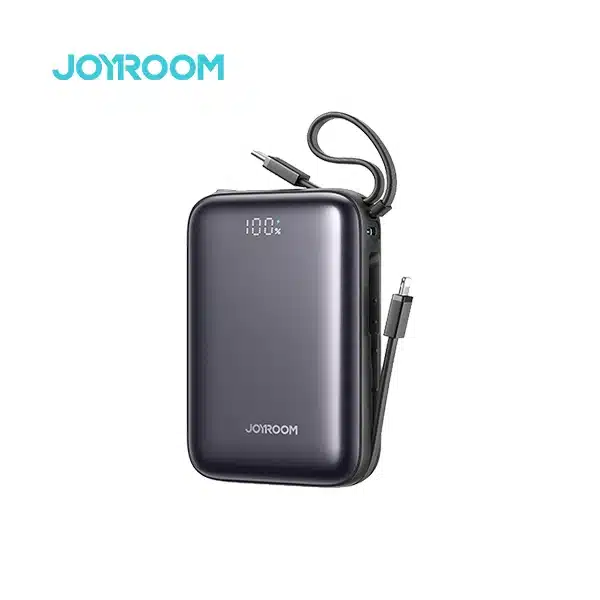
A power bank with built-in cables includes one or more attached charging connectors. Common options include:- Built-in USB-C cable
- Built-in Lightning cable
- Dual USB-C and Lightning cables
- Retractable charging cable
Mini and Slim Power Banks
Mini and slim power banks focus on portability, low weight, and convenient daily use. They fit easily inside a pocket, handbag, or small backpack. Most compact models are designed for smartphones, earbuds, smartwatches, and other low-power devices.A mini power bank suits users who need:- Emergency battery backup
- Short commutes
- Lightweight travel
- One-device charging
- A compact alternative to high-capacity models
Laptop-Compatible Power Banks
A laptop-compatible power bank provides USB-C Power Delivery (USB-C PD) at a wattage supported by the laptop. Common laptop-charging outputs include 45W, 65W, 100W, and higher.Laptop compatibility depends on:- USB-C PD support
- Maximum output wattage
- Supported voltage profiles
- Cable power rating
- Laptop charging requirement
Which Power Bank Capacity Should You Choose?
The right power bank capacity depends on your phone's battery size, daily charging needs, the number of devices, and travel duration. Smaller models are lighter and easier to carry, while 20,000mAh and higher-capacity power banks provide longer backup with increased size and weight.Power bank capacity is measured in milliampere-hours (mAh). A higher mAh rating indicates more energy storage, but the actual capacity delivered to the connected device may not match the advertised capacity. Some energy is lost during voltage conversion, cable transmission, and charging.6000mAh Power Bank for Emergency Charging
A 6000mAh power bank is suitable for emergency charging, short journeys, and light daily use. Its compact size makes it easy to carry inside a pocket, handbag, or small backpack.This capacity works well for users who need a:- Mini power bank
- Compact power bank
- Lightweight emergency charger
- Backup charger for short commutes
- Portable charger for earbuds or smartphones
10000mAh Power Bank for Daily Use
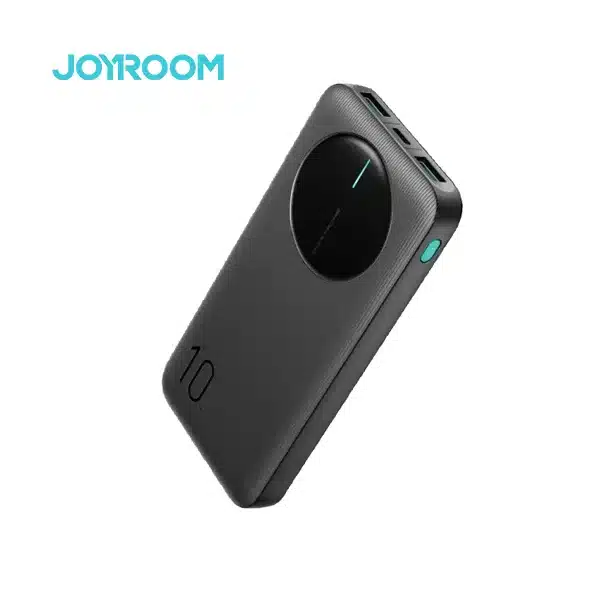
A 10000mAh power bank offers a practical balance between portability and battery backup. It is one of the most suitable capacities for students, office users, commuters, and everyday smartphone charging. Most 10,000mAh models remain slim enough for regular travel while providing more useful backup than mini power banks. Available options include standard wired models, fast-charging power banks, magnetic chargers, and power banks with built-in cables.The price of a 10000mAh power bank in Bangladesh depends on the brand, charging wattage, number of ports, and additional features. A basic model usually costs less than a 20W or 22.5W fast-charging model with USB-C output, digital display, or wireless charging.A 10,000mAh power bank is suitable for:- Daily smartphone charging
- University and office use
- Short trips
- Emergency backup
- Users who prefer a slim power bank
20000mAh Power Bank for Extended Backup
A 20000mAh power bank is suitable for users who need longer battery backup, travel frequently or charge more than one device. It provides more stored energy than a 10,000mAh model but also has a greater size and weight.This capacity works well for:- Long-distance travel
- Multiple-device charging
- Heavy smartphone users
- Tablets and mobile accessories
- Extended load-shedding backup
- Users who cannot access a wall charger regularly
27000mAh and 30000mAh Power Banks for Heavy Users
A 27000mAh or 30000mAh power bank is designed for heavy users who need extended charging support throughout the day. These high-capacity models are suitable for smartphones, tablets, wireless accessories, and several connected devices.A 27,000mAh or 30,000mAh power bank is useful for:- Business travel
- Outdoor work
- Long journeys
- Tablet charging
- Multiple-device charging
- Emergency household backup
- Users with high daily power consumption
50000mAh and 100000mAh Power Banks for Long-Term Backup
A 50000mAh or 100000mAh power bank provides extended backup for emergencies, outdoor activities, remote work, and charging multiple devices over a longer period. These models are larger and heavier than standard portable power banks.Large-capacity power banks may include:- Multiple USB output ports
- USB-C input and output
- Digital battery indicators
- Built-in charging cables
- LED torches or floodlights
- Carrying handles
- Emergency lighting functions
How Do Wattage and Fast-Charging Standards Affect Charging Speed?
A power bank’s wattage shows its maximum charging output, while the charging protocol determines whether a connected device can use that power. The power bank, output port, cable, and device must support compatible standards to achieve the advertised charging speed.What Do 12W, 15W, 20W and 22.5W Mean?
Wattage measures the rate at which electrical power is delivered. A higher wattage can charge a compatible device faster, but only when the phone, charging port, and cable support the same output level.12W power banks provide basic wired charging for smartphones, feature phones, earbuds, and other low-power devices. They suit users who need affordable emergency backup and do not require rapid charging.15W power banks offer moderate smartphone charging. Some wireless power banks also provide up to 15W wireless output for compatible devices, although actual wireless speed depends on phone compatibility, alignment, and temperature.20W power banks are suitable for many modern smartphones and tablets. This output is commonly associated with USB-C Power Delivery and can support fast charging on compatible iPhones, Android phones, and mobile accessories.22.5W power banks are designed for faster smartphone charging through supported standards such as Quick Charge, SCP, or other brand-specific protocols. A 22.5W rating does not mean every connected phone will receive 22.5W. The device must support the same voltage, current, and protocol.For most daily users, a 20W or 22.5W power bank provides a practical balance between charging speed, price, and portability.Who Needs a 30W, 45W, or 65W Power Bank?
A 30W power bank suits users with compatible smartphones, tablets, handheld gaming devices, and lightweight USB-C electronics. It can also recharge some devices faster than standard 20W models.A 45W power bank is suitable for high-end smartphones, larger tablets, and selected compact USB-C laptops. Samsung devices that support Super Fast Charging may require USB Power Delivery with PPS to use higher charging speeds.A 65W power bank is designed for power-demanding tablets, handheld computers, and compatible USB-C laptops. Laptop charging depends on more than the advertised wattage. The power bank must support the laptop's voltage profile, and the USB-C cable must be rated for the same power level.What Are PD, QC, PPS, SCP, FCP, and AFC?
Fast-charging protocols control how the charger and connected device negotiate voltage, current, and power. Compatible protocols allow the power bank to deliver faster charging without exceeding the device’s supported limits.USB Power Delivery (PD) is a widely used fast-charging standard for USB-C devices. It supports compatible smartphones, tablets, laptops, gaming devices, and other electronics. PD power levels vary by product, so buyers should check the maximum USB-C output.Quick Charge (QC) is a fast-charging technology developed by Qualcomm. It is used by many Android smartphones and accessories. Charging speed depends on the QC version supported by both the power bank and device.Programmable Power Supply (PPS) is an advanced feature within USB Power Delivery. It adjusts voltage and current in smaller steps during charging. Compatible Samsung and other Android devices use PPS for efficient high-speed charging and improved heat control.SuperCharge Protocol (SCP) is Huawei’s fast-charging technology. A power bank must specifically support SCP to deliver the higher charging speed available on compatible Huawei and Honor devices.Fast Charge Protocol (FCP) is another Huawei charging standard. It generally provides lower power than SCP but still offers faster charging than basic USB output on supported devices.Adaptive Fast Charging (AFC) is a Samsung charging technology used by many earlier Galaxy phones and tablets. It allows compatible devices to charge faster with supported power banks and chargers.Some power banks support multiple protocols simultaneously. Buyers should review the product specifications and confirm compatibility with their phone before purchasing.Why Do the Charging Port and Cable Matter?
The charging port determines how power enters or leaves the power bank. The cable transfers that power to the connected device. A mismatched port or low-quality cable can reduce charging speed even when the power bank supports fast charging.USB-A is a traditional rectangular port commonly used as an output. It supports standard charging and protocols such as QC, AFC, FCP, and SCP on compatible products. USB-A does not automatically support USB Power Delivery.USB-C is a reversible connector that can function as an input, output, or both. An input port recharges the power bank. An output port charges a phone, tablet, or laptop. A bidirectional USB-C port performs both functions. Buyers should check the specifications because identical-looking USB-C ports can support different power levels.Lightning is a connector used by older iPhone, iPad, and Apple accessory models. A built-in Lightning cable can charge compatible Apple devices, while a Lightning input on some power banks is intended only to recharge the power bank.The cable must also support the required wattage and protocol. A basic USB-C cable may not deliver 60W or 100W, even if the power bank and laptop support those levels. For high-wattage charging, use a properly rated USB-C cable and connect it to the port that provides the power bank’s highest single-port output.How Do You Choose the Best Power Bank?
The best power bank matches your device, required battery capacity, charging speed, and portability needs. Compare usable capacity, output wattage, charging protocols, port types, safety protections, size, weight, warranty coverage, and product authenticity before selecting a model.Match the Power Bank to Your Device
Identify the device you need to charge. Smartphones, tablets, wireless earbuds, and laptops have different battery sizes and power requirements. For a smartphone, a 10,000mAh or 20,000mAh power bank with 20W or 22.5W output is suitable for most daily charging needs. iPhone users should check for USB Power Delivery, USB-C output, Lightning compatibility, or magnetic wireless charging. Android users should compare support for PD, PPS, QC, SCP, FCP, or AFC.Tablets require more energy than smartphones. A 20,000mAh or larger power bank with 30W, 45W, or higher output provides better charging performance for compatible tablets. Wireless earbuds, smartwatches, and small accessories need less power. A compact power bank with standard USB-A or USB-C output is usually sufficient.Laptop charging requires a power bank with USB-C Power Delivery. The output wattage must match the laptop’s charging requirement. A high-capacity model without the correct USB-C PD output cannot reliably charge a laptop.Check Rated and Usable Battery Capacity
Power bank capacity is usually displayed in milliampere-hours (mAh). Common capacities include 6,000mAh, 10,000mAh, 20,000mAh, 30,000mAh and higher. The advertised capacity represents the internal battery-cell capacity. The connected device does not receive the complete rated amount because energy is lost during voltage conversion, cable transmission, and charging.For example, a 10,000mAh power bank does not transfer the full 10,000mAh directly to a smartphone. The actual usable output depends on:- Battery-cell efficiency
- Output voltage
- Charging protocol
- Cable quality
- Device charging efficiency
- Temperature during charging
Compare Input and Output Ports
The input port recharges the power bank. The output port transfers power from the power bank to a phone, tablet, laptop, or accessory.Common input ports include:- USB-C
- Micro-USB
- Lightning
- USB-A
- USB-C
- Built-in USB-C cable
- Built-in Lightning cable
Check Size, Weight, and Portability
Battery capacity affects the physical size and weight of a power bank. Higher-capacity models contain more battery cells or larger ones. A mini or slim power bank is easier to carry in a pocket or handbag. These models suit commuters, students, office users, and people who need emergency smartphone charging.A 20,000mAh power bank provides more backup but requires more space in a bag. Models with 30,000mAh, 50,000mAh, or 100,000mAh capacity are heavier and better suited for travel, fieldwork, outdoor use, or emergency backup.Additional features also affect portability. Built-in cables reduce the need to carry separate accessories. Magnetic power banks attach directly to compatible phones. Digital displays provide a more accurate battery reading than simple indicator lights. Choose a capacity that meets your charging needs without adding unnecessary weight.Review Battery Safety Features
A reliable power bank should include safety controls that protect the battery, connected device, and user during charging.Important protections include:- Overcharge protection: Stops charging when the internal battery reaches a safe limit.
- Overcurrent protection: Limits excessive electrical current.
- Overvoltage protection: Prevents unsafe voltage from reaching the connected device.
- Short-circuit protection: Interrupts power when an abnormal electrical connection occurs.
- Temperature protection: Reduces or stops charging when the battery becomes too hot.
Check Warranty and Product Authenticity
Warranty coverage provides support when a power bank develops a confirmed manufacturing defect within the stated period. Warranty terms differ by brand and model, so users should check the individual product page before ordering.Do not assume every product has the same warranty. Confirm:- Warranty duration
- Service location
- Required invoice or receipt
- Covered manufacturing defects
- Excluded physical or water damage
- Replacement or repair conditions
Which Power Bank Is Suitable for Your Device and Lifestyle?
The right power bank depends on the device you use, the amount of backup you need, your preferred charging speed, and how often you travel. Compact models suit daily smartphone users, while larger USB-C PD power banks support tablets, multiple devices, and compatible laptops.Power Bank for iPhone
The best power bank for an iPhone depends on the iPhone model and preferred charging method. Older iPhones use a Lightning connector, while iPhone 15 and newer models use USB-C. Buyers should choose a power bank with a compatible cable or output port. A 20W USB-C Power Delivery power bank is suitable for fast charging many compatible iPhones. The USB-C port, charging cable, and iPhone must all support Power Delivery to reach the expected charging speed.A magnetic power bank is convenient for compatible iPhones because it attaches to the back of the phone and supports cable-free charging. Magnetic attachment helps keep the charging coils aligned. Buyers should still check:- Wireless output wattage
- Phone and case compatibility
- Magnetic holding strength
- Heat management
- Availability of wired charging
Power Bank for Android Phones
Most modern Android smartphones use USB-C charging. However, Android brands support different fast-charging protocols, so the power bank must match the phone’s supported standard.Common Android charging protocols include:- USB Power Delivery: A widely supported USB-C charging standard
- PPS: A flexible Power Delivery feature used by compatible Samsung and Android phones
- Quick Charge: A Qualcomm fast-charging technology
- SCP: Huawei SuperCharge Protocol
- FCP: Huawei Fast Charge Protocol
- AFC: Samsung Adaptive Fast Charging
Power Bank for Tablets and Multiple Devices
Tablets have larger batteries than smartphones and require more stored energy. A 20,000mAh or higher-capacity power bank is generally more suitable for tablet users, long journeys and extended backup.A power bank for multiple devices should include:- Two or more output ports
- USB-A and USB-C connectivity
- Sufficient total output wattage
- A clear battery-level indicator
- Support for simultaneous charging
Power Bank for Travel and Emergency Use
Travelers need a balance of capacity, portability, charging speed, and convenience. A 10,000mAh power bank is suitable for short trips and daily commuting, while a 20,000mAh model provides longer backup for travel and multiple charging sessions.For longer journeys, outdoor work, or emergency use, buyers can consider 27,000 mAh, 30,000 mAh, or higher-capacity models. Larger power banks provide more stored energy but also increase weight and size.Useful travel and emergency features include:- Digital battery display
- Built-in USB-C or Lightning cable
- Multiple output ports
- Fast charging
- LED torch or floodlight
- Carrying handle
- Short-circuit and temperature protection